How Are Used Europallets Classified by EPAL Grade?
Grading of used europallets follows the criteria set out by the
European Pallet Association (EPAL). Each pallet is visually and
structurally inspected before being assigned a grade. None leave
our facilities without verifying that EPAL, EUR or UIC certification
is still valid, regardless of the grade assigned.
Inspection Criteria by Grade
Grade A covers europallets with minimal wear:
boards free of significant splinters, complete blocks, clearly
legible certification marks and no visible repairs. It's the
preferred option for sectors with strict image or traceability
requirements, such as food, pharmaceuticals or international
export.
Grade B allows minor repairs carried out in
accordance with EPAL regulations: replacement of damaged boards,
block reinforcement or repair stapling. Structural integrity is
complete and load capacity is not compromised. It's the most
widely used grade in industrial logistics thanks to its balance
of cost and performance.
Grade C shows greater visual wear but passes the
minimum structural checks required by EPAL. It's the most
affordable option within the certified pallet catalogue, ideal
for companies with high turnover, internal storage or single-use
needs. The advantage over a non-certified pallet is that it
retains certification, allowing unrestricted use in exchange
systems and automated racking.
What's the Difference Between a Certified and a Non-Certified Europallet?
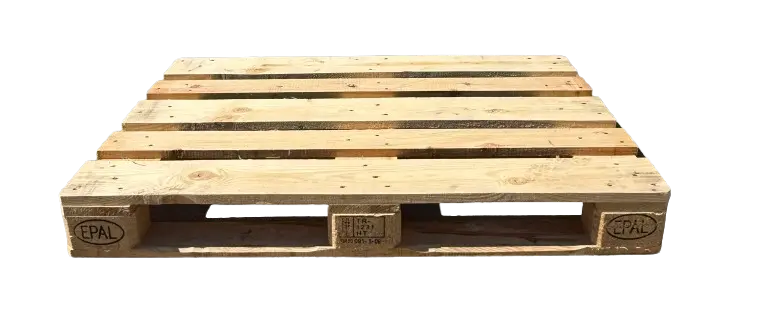
An EPAL-certified europallet has been manufactured or repaired
according to the technical specifications of the European Pallet
Association and carries the control stamp on the central block.
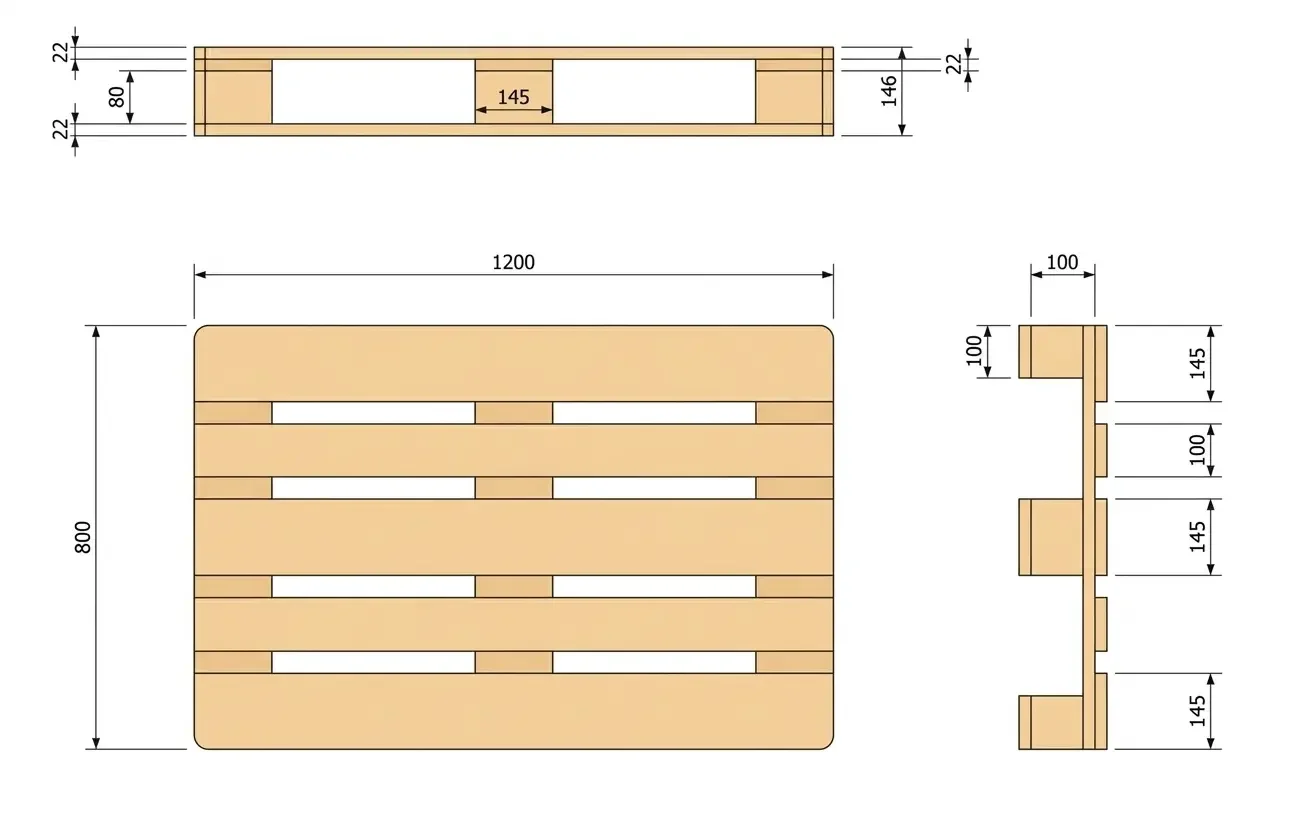
This guarantees standard 1200×800 mm dimensions, a minimum
dynamic load capacity of 1,500 kg, and compatibility with pallet
trucks, forklifts and automated systems from any manufacturer.
Non-certified pallets don't come with this structural or
exchange guarantee.